

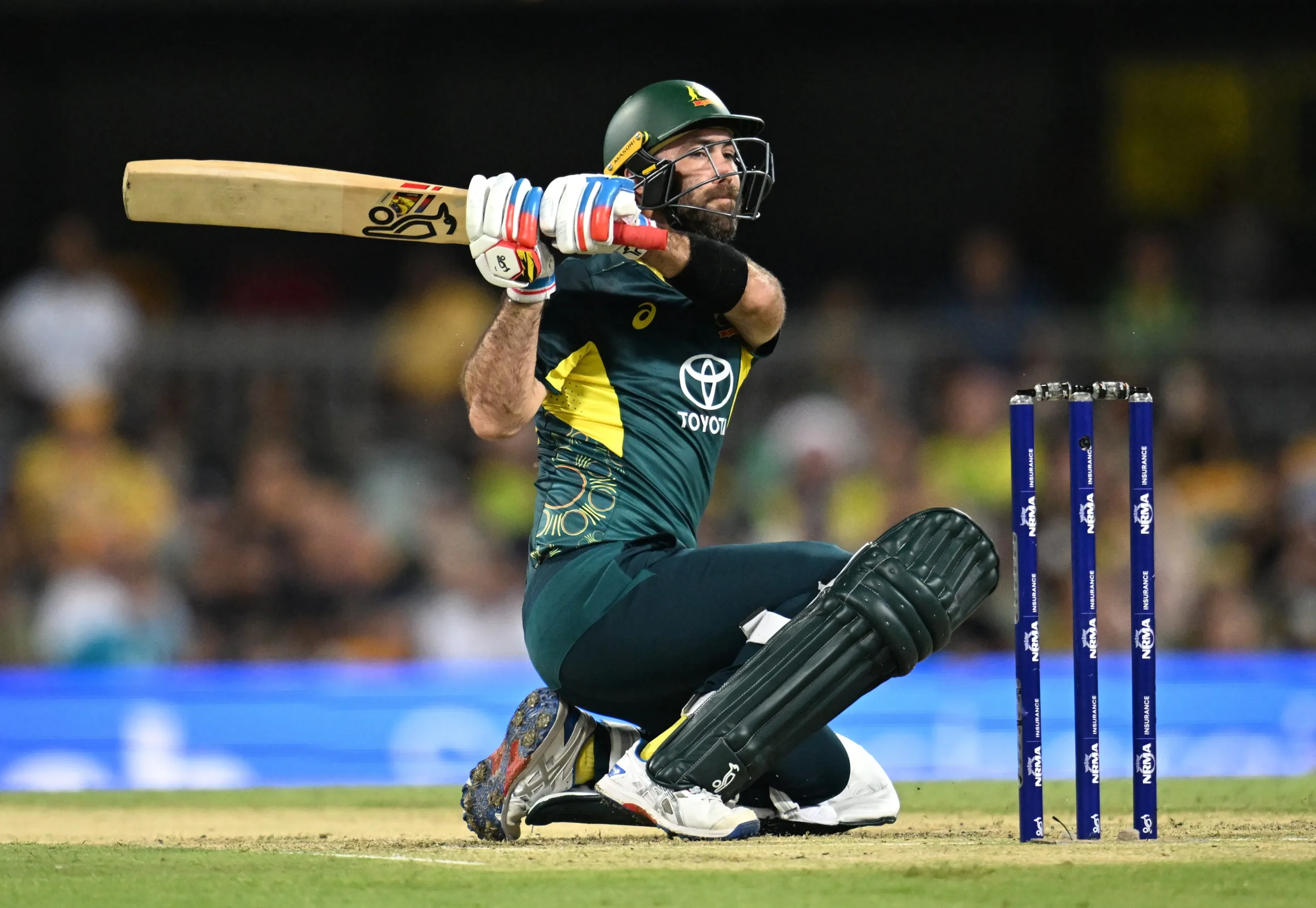
T20 Franchise Expansion is transforming the business and culture of cricket in ways few could have imagined just two decades ago. What began as a bold experiment in shortening the format has now evolved into a global commercial engine that attracts billion-dollar investments, international stars, and massive television audiences.
Across continents, new leagues are emerging, franchises are multiplying, and cricket boards are recalibrating strategies. From packed stadiums in India to fresh markets in the United States and the Middle East, the landscape of professional cricket is rapidly shifting.
This evolution is not accidental. It is the result of deliberate planning, market demand, and the powerful success story of leagues such as the Indian Premier League, which proved that franchise-based T20 cricket could rival established global sports competitions in viewership and valuation.
Table of Contents
ToggleThe Origins of a Franchise Revolution
To understand the current wave of T20 Franchise Expansion, we need to go back to 2008. When the IPL launched, skeptics questioned whether cricket fans would accept city-based teams over traditional domestic structures. But the blend of entertainment, celebrity ownership, and aggressive marketing created a template that changed cricket forever.
The success of the IPL encouraged other cricketing nations to explore similar models. Soon, leagues like the Big Bash League in Australia and the Caribbean Premier League in the West Indies began attracting local audiences and international sponsors.
What started as imitation soon became innovation. Each region added its own flavor while keeping the franchise blueprint intact.
Why T20 Franchise Expansion Is Accelerating Now
The recent surge in T20 Franchise Expansion is driven by multiple factors converging at once. Global sports investment is at an all-time high. Media rights deals have grown exponentially. Digital streaming platforms are hungry for short, engaging content that fits modern viewing habits.
Investors see T20 cricket as scalable and adaptable. Unlike longer formats, it fits neatly into prime-time slots. Matches are compact, commercially attractive, and easy to market across borders.
Another key driver is player mobility. Cricketers now view franchise leagues as primary career platforms rather than secondary commitments. Financial security and international exposure have made T20 leagues central to professional cricket.
Emerging Markets and New Leagues
One of the most fascinating aspects of T20 Franchise Expansion is the entry of non-traditional cricket markets. The launch of Major League Cricket signaled cricket’s serious push into the American sports ecosystem.
Similarly, leagues like the International League T20 in the UAE demonstrate how neutral venues can host globally branded competitions.
These developments show that T20 cricket is no longer confined to Commonwealth nations. It is positioning itself as a worldwide entertainment product.
The Multi-League Ownership Model
An interesting dimension of T20 Franchise Expansion is the rise of multi-league ownership groups. Several IPL franchises now own or partner with teams in other T20 leagues worldwide.
For example, franchise owners linked to the Indian Premier League have invested in teams across South Africa, the UAE, and the Caribbean. This mirrors global football’s club ownership networks.
This model allows brand consistency, talent exchange, and commercial synergy. A player can move within a franchise ecosystem while sponsors benefit from cross-league exposure.
Financial Power and Media Rights Boom
Media rights are the backbone of T20 Franchise Expansion. The IPL’s multi-billion-dollar broadcast deals reset the valuation benchmarks for cricket leagues worldwide.
Television networks and streaming giants compete aggressively for rights because T20 cricket guarantees high engagement and advertiser-friendly formats.
Sponsorship deals have also expanded. From jersey branding to digital integrations, franchises generate revenue streams that go far beyond ticket sales.
This commercial stability gives leagues the confidence to expand team numbers and geographic reach.
Impact on Players and Career Pathways
For players, T20 Franchise Expansion has opened unprecedented opportunities. Young cricketers from smaller cricketing nations now find global platforms to showcase talent.
Take the example of emerging players from associate nations who earned contracts in leagues like the Caribbean Premier League. Exposure to international teammates and coaching standards elevates their performance levels significantly.
At the same time, established international players often prioritize franchise commitments due to financial incentives. This shift has sparked debate within traditional cricket boards.
Balancing International and Franchise Cricket
The rise of T20 Franchise Expansion has inevitably affected international cricket calendars. National boards face scheduling challenges as players juggle commitments across multiple leagues.
The International Cricket Council has been under increasing pressure to create windows that accommodate major franchise tournaments without undermining bilateral series.
Some critics argue that Test cricket risks being overshadowed. Others believe coexistence is possible if calendars are managed strategically.
Technology, Fan Engagement, and Digital Growth
Modern T20 Franchise Expansion thrives on digital innovation. Social media engagement, fantasy leagues, and behind-the-scenes content have created year-round fan interaction.
Streaming platforms provide real-time analytics, player mic-ups, and immersive viewing experiences. Younger audiences, especially Gen Z viewers, are drawn to the fast-paced, interactive nature of T20 leagues.
Franchises are now brands as much as sports teams. They sell merchandise globally and build communities far beyond their home cities.
Women’s Leagues and Inclusive Growth
A powerful extension of T20 Franchise Expansion is the growth of women’s franchise cricket. The introduction of the Women’s Premier League marked a turning point for women’s cricket in India.
The league’s strong broadcast numbers and sponsorship support proved that women’s T20 cricket has substantial commercial viability.
Other nations are following suit, creating structured opportunities for female athletes and further expanding the global T20 ecosystem.
Challenges Facing T20 Franchise Expansion
Despite its growth, T20 Franchise Expansion is not without risks. Oversaturation is a real concern. Too many leagues in overlapping windows can dilute quality and fan attention.
Player workload management is another serious issue. Frequent travel and back-to-back tournaments can lead to injuries and burnout.
There are also governance questions. Transparent ownership structures, financial regulations, and anti-corruption measures must evolve alongside expansion.
The credibility of franchise cricket depends heavily on maintaining integrity standards comparable to international cricket.
Economic Impact on Host Cities
Host cities benefit significantly from T20 Franchise Expansion. Stadium upgrades, hospitality services, and tourism revenue generate local economic boosts.
During league seasons, hotels, restaurants, and transportation services see noticeable spikes in activity.
This economic ripple effect strengthens political and commercial support for new franchises.
Youth Development and Grassroots Influence
Another dimension of T20 Franchise Expansion lies in its impact on grassroots cricket. Franchises invest in academies and talent scouting programs to secure future stars.
Young cricketers grow up aspiring not only to represent their country but also to earn contracts with major franchise teams.
The professional infrastructure created by franchise leagues enhances training standards, fitness regimes, and sports science integration.
The Future of T20 Franchise Expansion
Looking ahead, the trajectory of T20 Franchise Expansion suggests further globalization. Africa presents untapped potential markets. Southeast Asia and North America continue to show rising interest.
Private equity firms and sovereign wealth funds are increasingly involved in sports investments, signaling long-term confidence in franchise cricket.
The next phase may include inter-league championships, standardized player contracts, and even a global T20 calendar structured similarly to football’s club competitions.
The format’s flexibility allows adaptation to cultural and commercial contexts across different countries.
EEAT Perspective: Why This Analysis Matters
From an Experience standpoint, the patterns observed across multiple leagues highlight consistent economic and sporting trends. Having followed franchise cricket’s evolution since the IPL’s inception, it is clear that structured expansion drives sustainability.
Expertise comes from analyzing league data, media rights growth, and ownership models. Authoritativeness is built through referencing recognized leagues and governing bodies such as the ICC.
Trustworthiness lies in presenting balanced insights. While celebrating commercial growth, it is essential to acknowledge concerns about scheduling, governance, and player welfare.
This balanced perspective ensures that discussions around franchise cricket remain grounded and credible.
A Cultural Shift in Cricket Identity
Perhaps the most significant outcome of T20 Franchise Expansion is cultural transformation. Fans increasingly identify with city-based teams alongside national allegiances.
Merchandise sales, themed events, and celebrity associations blur the lines between sport and entertainment.
Cricket, once perceived as tradition-bound and conservative, now competes in the global entertainment marketplace with confidence.
Young fans in cities like Mumbai, Melbourne, Dubai, and Dallas follow franchise players as passionately as international icons.
The game’s shorter format has made it accessible to new audiences without deep historical ties to cricket.
As investment continues and infrastructure expands, the franchise model appears firmly embedded in cricket’s future blueprint.
The question is no longer whether franchise cricket will grow. The real question is how strategically the cricketing world manages its continued expansion while preserving competitive balance and player welfare.
In stadiums packed with music, lights, and roaring crowds, the impact of this transformation is already visible. The modern era of cricket is defined not just by runs and wickets, but by brands, markets, and global ambition shaped through T20 Franchise Expansion.
Read also:
sri lanka national cricket team vs bangladesh national cricket team match scorecard
bangladesh national cricket team vs sri lanka national cricket team match scorecard
west indies cricket team vs pakistan national cricket team match scorecard
west indies cricket team vs australian men’s cricket team match scorecard
pakistan national cricket team vs west indies cricket team match scorecard