

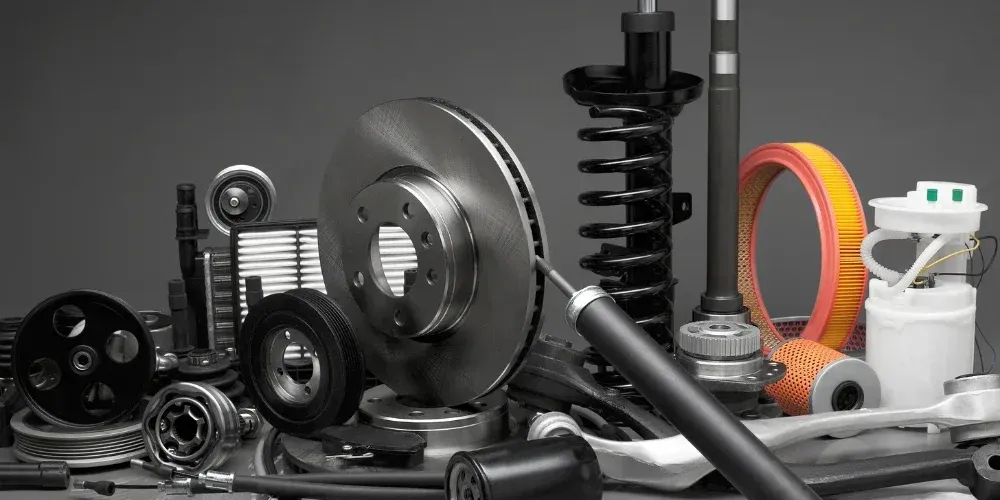
OEM vs aftermarket auto parts is a question almost every car owner faces at some point. Whether it’s after a minor accident, routine maintenance, or a major repair, the decision can feel overwhelming—especially when your mechanic asks, “Do you want original parts or aftermarket?”
If you’ve ever stood at that crossroads, you’re not alone. The difference between these two options affects your wallet, your vehicle’s performance, and sometimes even your warranty. Let’s break it down in a simple, practical way so you can make confident decisions the next time your car needs attention.
Understanding OEM Parts
OEM stands for Original Equipment Manufacturer. These parts are made by the same company that produced the original components installed in your vehicle at the factory.
For example, if you drive a Toyota Camry, OEM brake pads would be made by Toyota or by a supplier officially contracted by Toyota to produce parts to its exact specifications.
When you buy OEM parts, you’re essentially getting a replacement identical to what came with your vehicle when it rolled off the assembly line.
Understanding Aftermarket Parts
Aftermarket parts, on the other hand, are produced by third-party manufacturers. They are not made by the original vehicle manufacturer but are designed to fit and function similarly.
If you own a Honda Civic, you might find several aftermarket companies offering compatible headlights, filters, or suspension components at varying price points.
Some aftermarket manufacturers specialize in performance upgrades, while others focus on affordable replacements.
OEM vs Aftermarket Auto Parts: The Core Differences
When comparing OEM vs aftermarket auto parts, the main differences come down to price, variety, quality consistency, and availability.
OEM parts tend to cost more because they carry the brand name and are guaranteed to match factory specifications. They are typically sold through authorized dealerships.
Aftermarket parts often offer a broader price range. Some are budget-friendly, while others are premium performance parts designed to exceed original specifications.
Understanding these differences helps eliminate confusion when you’re handed a repair estimate.
Price Comparison: Why OEM Costs More
One of the biggest reasons people search for OEM vs aftermarket auto parts is cost.
OEM parts generally come at a premium. You’re paying for brand assurance, manufacturer-backed warranty, and guaranteed compatibility.
Aftermarket parts can be significantly cheaper because third-party manufacturers compete with each other. Competition drives pricing down.
However, cheaper doesn’t always mean lower quality. Some aftermarket brands invest heavily in engineering and innovation.
Quality and Reliability Considerations
When discussing OEM vs aftermarket auto parts, quality is often the deciding factor.
OEM parts offer predictable quality. Since they match factory specifications, fitment issues are rare. Mechanics appreciate the consistency.
Aftermarket quality varies widely. Some brands meet or exceed OEM standards, while others may cut corners to reduce costs.
Research becomes essential. Reputable aftermarket manufacturers often provide certifications and warranties comparable to OEM options.
Warranty Implications and Dealer Policies
Many drivers worry that choosing aftermarket parts will void their warranty.
In most regions, consumer protection laws prevent manufacturers from voiding warranties simply because you used aftermarket parts, unless the part directly caused damage.
If you own a newer vehicle like a Ford F-150 still under factory warranty, it’s wise to review warranty terms carefully.
Dealerships may recommend OEM parts, but that doesn’t automatically make aftermarket parts unsafe or non-compliant.
Availability and Convenience
Another important factor in the OEM vs aftermarket auto parts debate is availability.
OEM parts may need to be ordered directly from the dealership, sometimes resulting in longer wait times.
Aftermarket parts are widely available online and at local auto parts stores. For common vehicles, options are abundant and often immediately accessible.
This convenience can make a big difference if your car is your daily commuter and you need a quick repair.
Performance and Customization Potential
Aftermarket parts often appeal to enthusiasts who want customization or improved performance.
Drivers modifying a Chevrolet Silverado for off-road use might choose aftermarket suspension systems designed for heavy-duty terrain.
OEM parts prioritize factory balance and reliability, while aftermarket parts sometimes push performance boundaries.
Your choice depends on whether you’re maintaining factory standards or upgrading beyond them.
Real-Life Scenario: A Fender Replacement Story
Imagine Sarah, who recently had a minor accident with her Hyundai Elantra. The body shop gave her two estimates—one with OEM parts and one with aftermarket replacements.
The OEM option was significantly more expensive. The aftermarket version saved her several hundred dollars.
After researching the supplier’s reputation and confirming warranty coverage, she chose the aftermarket part. The fit was perfect, and the paint matched seamlessly.
Her experience highlights how informed decisions can lead to both savings and satisfaction.
Insurance Companies and Parts Choices
Insurance companies often influence the OEM vs aftermarket auto parts decision.
To control claim costs, insurers may recommend or default to aftermarket parts for repairs. This practice helps keep premiums stable.
If you prefer OEM parts, you may need to request them explicitly or review your insurance policy for coverage details.
Understanding your policy ensures you’re not caught off guard during repairs.
Safety Considerations in OEM vs Aftermarket Auto Parts
Safety is non-negotiable when repairing a vehicle.
OEM parts are crash-tested as part of the vehicle’s original safety design. That provides peace of mind for many drivers.
High-quality aftermarket parts can also meet safety standards, but it’s crucial to verify certifications and reviews.
When safety-critical components like airbags, brakes, or structural panels are involved, careful research is essential.
Environmental Impact and Sustainability
Sustainability is becoming an important factor in the OEM vs aftermarket auto parts conversation.
Aftermarket parts often encourage reuse and remanufacturing, reducing waste. Remanufactured engines and alternators, for instance, give components a second life.
OEM manufacturers are also improving sustainability efforts, but remanufacturing programs are particularly strong in the aftermarket sector.
Environmentally conscious drivers may weigh this factor in their decision-making.
Resale Value and Perception
If you plan to sell your vehicle in the future, documentation matters.
Some buyers feel reassured seeing OEM parts listed in service records, especially for luxury brands.
For example, maintaining a BMW 3 Series with OEM parts may strengthen buyer confidence.
However, quality aftermarket upgrades can also increase appeal if properly documented and professionally installed.
The Role of Your Mechanic
Trust plays a major role in the OEM vs aftermarket auto parts decision.
Experienced mechanics understand which aftermarket brands consistently deliver reliable performance.
If you have a trusted repair professional, ask for their honest opinion. Their experience working with different suppliers can be invaluable.
A transparent conversation helps you balance budget and performance expectations.
Market Growth and Industry Trends
The global auto parts industry is expanding rapidly.
As vehicles become more technologically advanced, demand for specialized components increases. Aftermarket innovation often keeps pace with evolving needs.
Electric vehicles, advanced driver-assistance systems, and hybrid technologies are shaping the next wave of parts manufacturing.
Both OEM and aftermarket sectors are adapting to these changes, making the OEM vs aftermarket auto parts discussion even more relevant.
Common Myths About OEM vs Aftermarket Auto Parts
A widespread myth is that all aftermarket parts are inferior.
In reality, some aftermarket manufacturers supply parts directly to automakers while also selling independently.
Another myth suggests OEM parts are always overpriced without added value. While they are more expensive, they offer guaranteed compatibility.
Understanding facts rather than assumptions leads to smarter purchasing decisions.
Making the Right Choice for Your Situation
Every driver’s situation is unique.
If you prioritize factory precision and brand-backed assurance, OEM parts may feel like the safer bet.
If you’re budget-conscious or seeking performance upgrades, reputable aftermarket options might better suit your needs.
When evaluating OEM vs aftermarket auto parts, consider cost, safety, warranty, vehicle age, and long-term goals.
An older vehicle nearing the end of its lifecycle may not justify premium OEM pricing, while a newer car might.
Experience, Expertise, and Trustworthiness in Auto Repairs
Choosing between OEM and aftermarket parts requires reliable information.
Consulting certified technicians, reviewing manufacturer documentation, and reading verified consumer feedback enhances decision quality.
Authoritative sources and experienced professionals help ensure you’re not relying on hearsay.
By grounding your decision in research and expert advice, the OEM vs aftermarket auto parts debate becomes less stressful and more strategic.
In the end, it’s not about picking a universal winner. It’s about selecting the right solution for your vehicle, your budget, and your driving priorities in a constantly evolving automotive landscape.
Read also: