

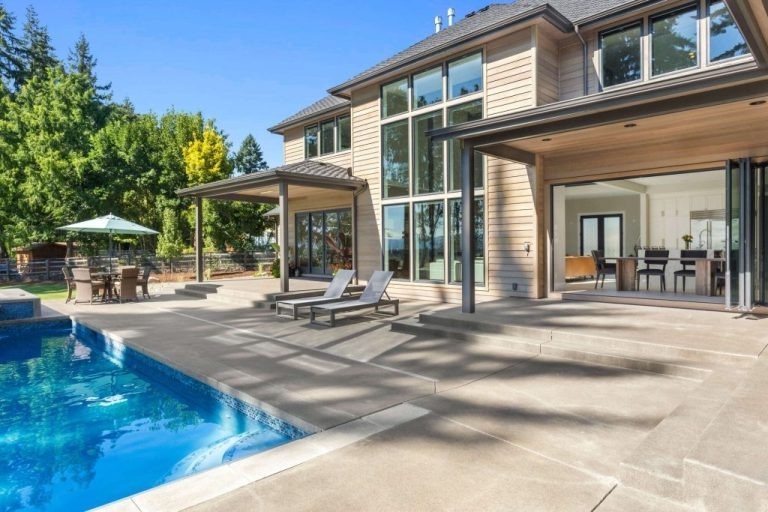
Home improvement is not always about expensive renovations or completely changing the appearance of a house. At yandex-games.org, readers can explore practical ideas for making everyday living spaces more comfortable, organized, useful, and easier to maintain.
Start With Everyday Needs
Before buying paint, furniture, or decorative items, spend some time looking at how each room is actually used. A living room might need better storage, while a kitchen may feel crowded because frequently used items have no proper place. These small problems often affect daily comfort more than outdated decorations.
Walk through the house and notice the things that cause frustration. Perhaps a cupboard door keeps getting stuck, a hallway feels dark, or cleaning supplies are scattered across different rooms. Write down these problems before deciding which projects deserve attention first.
It is also useful to separate necessary repairs from optional improvements. A loose handrail, leaking pipe, or damaged electrical outlet should receive attention before a decorative wall project. Fixing practical problems first can prevent further damage and make the home safer.
There is no need to complete everything in one weekend. Choosing one manageable project at a time makes it easier to control expenses, avoid unnecessary purchases, and see real progress without turning the house into a permanent construction area.
Make Small Rooms Feel Bigger
A small room can feel surprisingly comfortable when the furniture arrangement allows people to move around freely. Large furniture placed in the wrong position can make even a reasonably sized room feel cramped. Start by checking walking paths and removing items that serve no clear purpose.
Storage furniture can help when floor space is limited. Beds with drawers, narrow shelving units, and storage benches provide places for belongings without requiring several separate cabinets. However, adding too much storage can create another problem when every available surface becomes crowded.
Mirrors can reflect light and create a greater sense of visual space. Placing one opposite a window may help spread natural light around the room, although the effect depends on the room’s layout and available lighting.
Light-colored walls can also make a room feel more open, but white is not the only suitable option. Soft beige, pale green, warm grey, and other gentle shades can work well when they complement the flooring and furniture.
Try moving existing furniture before purchasing replacements. Sometimes a different arrangement solves the problem without spending anything, and that makes it a sensible first step for almost any home improvement project.
Improve Lighting Throughout Rooms
Lighting affects how a home looks and how comfortably people can use different spaces. A room with one bright ceiling light may feel harsh in the evening, while a room with insufficient light can become difficult to use for reading, cooking, or working.
Think about the purpose of each area before choosing light fixtures. Kitchens need clear task lighting around preparation surfaces, whereas bedrooms often benefit from softer lighting near the bed. Desks, reading corners, and workbenches may require additional focused illumination.
Replacing an old bulb with an energy-efficient LED option can reduce electricity consumption compared with many traditional bulbs. Check the fixture’s permitted wattage, bulb base, brightness, and color temperature before purchasing a replacement.
Natural light deserves attention too. Clean windows, remove unnecessary obstructions, and use window coverings that provide privacy without blocking daylight throughout the day. In warmer climates, suitable curtains or blinds can also help reduce unwanted heat from direct sunlight.
Electrical work requires particular care because incorrect installation can cause electric shock or fire. Simple bulb replacement may be suitable for many homeowners, but new wiring, damaged circuits, and complicated fixture installations should be handled by a qualified electrician.
Choose Paint With Care
Fresh paint can change a room’s appearance without requiring major construction work. Still, the result depends heavily on preparation, surface condition, and selecting a product appropriate for the intended location.
Start by examining the walls for peeling paint, damp patches, cracks, or loose plaster. Painting directly over damaged surfaces rarely produces a durable finish, and covering an active moisture problem can make the underlying damage harder to notice.
Clean the surface and allow it to dry before applying suitable primer or paint. Small holes may need an appropriate filler, while larger cracks or recurring damage deserve closer inspection before cosmetic repairs begin.
Color samples are worth testing because paint often looks different under natural and artificial lighting. Apply samples to small sections and observe them at different times of day before committing to an entire room.
For kitchens and bathrooms, choose products designed for the moisture and cleaning conditions found in those spaces. Always follow the manufacturer’s instructions for ventilation, preparation, drying time, and protective equipment.
If an older property contains paint that might include lead, avoid sanding or disturbing it until the material has been assessed appropriately. Older building materials can require special precautions, particularly when children or other vulnerable occupants use the home.
Create Better Kitchen Storage
A kitchen becomes easier to use when frequently needed items remain accessible and less frequently used equipment stays out of the main working area. The goal is not to fill every cupboard, but to arrange belongings according to how often they are needed.
Begin by removing expired food, duplicate utensils, and appliances that rarely get used. Group similar items together so that cooking ingredients, cleaning supplies, and food containers each have a sensible location.
Drawer dividers can prevent utensils from becoming mixed together, while shelf organizers may make better use of vertical cupboard space. Clear containers can help identify stored ingredients, provided they are suitable for food storage and kept clean.
Keep the main preparation area as open as possible. Too many appliances on the countertop can reduce the available workspace and make cleaning more difficult. Store equipment away when it is safe and practical to do so.
Safety matters in kitchen arrangements. Keep cleaning chemicals away from food, avoid placing heavy objects where they can fall, and maintain clear access to cooking equipment. Electrical appliances should be used according to their instructions and kept away from water where required.
Before purchasing expensive custom cabinets, measure the available space carefully. Existing shelves, movable carts, and inexpensive organizers may provide enough improvement without requiring a full kitchen renovation.
Make Bathrooms Easier To Maintain
Bathrooms experience regular moisture, soap residue, and changing temperatures, which makes maintenance especially important. Small improvements can make cleaning easier while helping identify problems before they become expensive repairs.
Check taps, exposed pipes, shower fittings, and the area beneath the sink for signs of leakage. Even a small persistent leak can waste water and damage cabinets or surrounding materials over time.
Good ventilation helps remove moisture from the air. Use an existing exhaust fan when appropriate, maintain it according to the manufacturer’s instructions, and make sure the bathroom has a suitable way to release humid air.
Choose storage that suits the available space rather than adding unnecessary shelves. A small cabinet, wall-mounted organizer, or simple basket may keep everyday toiletries together without overcrowding the room.
Grout and sealant should be checked periodically for cracks, gaps, or deterioration. Damaged joints may allow water to reach materials behind tiles, although the correct repair depends on the location and underlying construction.
Avoid covering recurring damp patches with fresh paint or decorative panels before finding the source. Persistent moisture, extensive mold, soft wall materials, or repeated leakage may require a qualified professional to investigate and recommend suitable repairs.
Improve Floors Without Overspending
Flooring affects comfort, appearance, cleaning requirements, and the overall feeling of a room. Replacing an entire floor can be expensive, so it is worth checking whether the existing surface needs repair or simply better maintenance.
Start by identifying the flooring material because wood, laminate, tile, stone, and vinyl require different cleaning methods. Using an unsuitable chemical or too much water can damage certain finishes and create additional costs.
Furniture pads can help reduce scratches when chairs, tables, or cabinets move across the floor. Place suitable mats near entrances to catch dirt, and clean them regularly so that trapped particles do not continue spreading indoors.
Loose rugs should have appropriate non-slip backing, particularly in areas where people walk frequently. Uneven flooring, lifted edges, and damaged tiles should be addressed rather than hidden beneath decorative coverings.
If a replacement becomes necessary, compare the purchase price with installation, preparation, underlay, maintenance, and expected lifespan. A cheaper material may not offer the best overall value if it requires frequent repairs or is unsuitable for the room’s moisture conditions.
For major flooring work, check whether the existing surface contains hazardous materials before cutting, grinding, or removing older layers. Professional assessment is sensible when the material or building history creates uncertainty.
Use Furniture More Effectively
Furniture does not always need replacing when a room feels outdated. Sometimes a new arrangement, improved storage, or a small repair makes the existing pieces more useful.
Measure the room and larger furniture before moving heavy items around. Leave enough space for doors, drawers, windows, and regular walking paths, especially in bedrooms and narrow hallways.
A sturdy shelf can provide additional storage when installed correctly for the wall material and expected load. Use suitable fixings, follow the manufacturer’s installation instructions, and seek professional assistance when the wall structure or mounting requirements are unclear.
Older furniture may benefit from cleaning, tightening loose hardware, or repairing damaged surfaces. Before repainting or refinishing an item, check its material and finish so that the selected products are suitable.
Think about comfort as well as appearance. A sofa that looks attractive but blocks a doorway may make daily life harder, while a practical chair placed near good lighting can create a useful reading area.
Avoid overcrowding rooms simply because additional furniture is available. Leaving some open space can make cleaning easier, improve movement, and help the room feel more peaceful without requiring new purchases.
Reduce Household Energy Waste
Energy improvements can lower running costs, although the savings depend on the home, local climate, electricity prices, and household habits. Start with simple changes that do not require expensive equipment or complicated construction.
Switch off lights and devices when they are not needed, and use energy-efficient lighting where appropriate. Check appliance settings and manufacturer guidance because unnecessary heating, cooling, or inefficient operating modes can increase consumption.
Air leaks around windows and exterior doors may make rooms uncomfortable during hot or cold weather. Suitable weatherstripping and door seals can reduce unwanted air movement when installed correctly and without blocking required ventilation.
Window coverings can help manage sunlight and indoor comfort. In hot weather, reducing direct solar heat may lower cooling demand, while appropriate curtains can help retain warmth in cooler conditions.
Air conditioners and other major appliances should receive maintenance according to their manuals. Dirty filters can restrict airflow, and neglected equipment may perform less efficiently than expected.
For larger investments, compare the estimated installation costs with realistic energy savings over time. Insulation, efficient appliances, and solar systems may offer benefits in suitable circumstances, but the best choice depends on the property’s construction, local conditions, and available budget.
Keep Outdoor Areas Functional
Outdoor spaces can become more useful with a little planning, whether the property has a garden, balcony, courtyard, or small entrance area. The important thing is choosing improvements that suit the available space and the time required for maintenance.
Start by clearing unwanted items and identifying drainage problems. Water that collects near the house can damage surfaces or create slippery areas, so investigate persistent pooling rather than simply covering it with decorative stones.
Potted plants can introduce greenery without requiring a large garden. Choose plants suited to local weather, available sunlight, and the amount of watering you can reasonably provide.
Outdoor seating should be stable and suitable for the conditions where it will remain. Materials exposed to rain and sunlight may need regular cleaning or protective treatment, depending on the manufacturer’s recommendations.
Lighting can make entrances and pathways easier to use after dark. Outdoor fixtures should be rated for their intended exposure and installed according to applicable electrical safety requirements.
Keep steps, paths, and entrances clear of loose objects. If outdoor improvements involve raised structures, retaining walls, drainage changes, or significant electrical work, check local requirements and obtain professional advice where necessary.
Set A Realistic Renovation Budget
A useful home improvement budget includes more than the advertised price of paint, tools, flooring, or furniture. Delivery, preparation, installation, waste removal, permits, and unexpected repairs can all increase the final amount.
Write down the main project costs before purchasing materials. Compare prices from several reliable suppliers, but check product specifications and warranty conditions rather than choosing solely by the lowest price.
Set aside a contingency amount for unexpected problems, particularly during renovation work involving plumbing, walls, roofing, or older building materials. The appropriate reserve depends on the project’s size and the property’s condition.
Some tasks are suitable for careful DIY work, while others require trained professionals. Electrical installation, structural alterations, major plumbing repairs, and work at dangerous heights deserve particular caution.
Request written estimates when hiring contractors and clarify what the quoted amount includes. Confirm the expected timeline, payment schedule, materials, cleanup responsibilities, and any necessary approvals before work begins.
Avoid starting several disruptive projects at once when the household has limited money or space. Completing one important improvement properly is often better than leaving multiple rooms unfinished because the budget has run out.
Build A Simple Maintenance Routine
Regular maintenance helps homeowners notice developing problems before they become more difficult or expensive to repair. A short checklist can make the process manageable without requiring constant attention to every part of the property.
Check visible plumbing for leaks, inspect window seals, clean suitable ventilation filters, and look for signs of water entering the home. Follow appliance instructions for maintenance intervals, and arrange professional inspections when the building or equipment requires them.
Roofing, drainage, electrical systems, and heating or cooling equipment may need specialized attention depending on their age and condition. Never climb onto an unsafe roof or attempt repairs involving exposed electrical components without appropriate training.
Keep records of repairs, warranties, product information, and contractor details. These records can help when ordering replacement parts, planning future projects, or explaining previous work to a professional.
Maintenance should also account for local weather conditions. Homes in areas with heavy rain, intense heat, dust, or seasonal storms may need different checks at different times of year.
A practical routine does not need to be complicated. Choose a few recurring tasks, record when they were completed, and address problems according to their urgency rather than waiting until several repairs become necessary.
Final Thoughts On Home Improvement
Improving a home is often about making thoughtful decisions rather than spending money on dramatic changes. Better lighting, sensible storage, regular maintenance, and carefully planned repairs can improve everyday comfort without requiring a complete renovation.
Start with the problems that affect safety and daily use, then consider decorative changes when the budget allows. Measure spaces carefully, research suitable materials, and seek qualified help whenever a project involves risks beyond your experience.
For more practical ideas, home maintenance guidance, and information about making living spaces more functional, explore the available resources on yandex-games.org and continue planning improvements that suit your household’s needs.
Read also :-