

Sustainable architecture trends are no longer niche ideas discussed only in design studios; they are actively reshaping skylines, homes, and entire communities across the globe. From eco-friendly homes in suburban neighborhoods to high-rise towers powered by renewable energy, the movement toward responsible building design has become a defining force in modern construction.
A decade ago, sustainability in architecture often meant installing solar panels or adding extra insulation. Today, it’s about creating living ecosystems that reduce carbon footprints, enhance well-being, and respond intelligently to climate challenges. The conversation has evolved, and so have the expectations of homeowners, investors, and city planners.
This article explores how these changes are unfolding, why they matter, and how architects and developers are embracing innovation while staying rooted in environmental responsibility.
The Shift From Green Design to Regenerative Thinking
One of the most powerful sustainable architecture trends is the shift from “doing less harm” to actively improving the environment. Architects are now designing buildings that restore ecosystems rather than merely reducing damage.
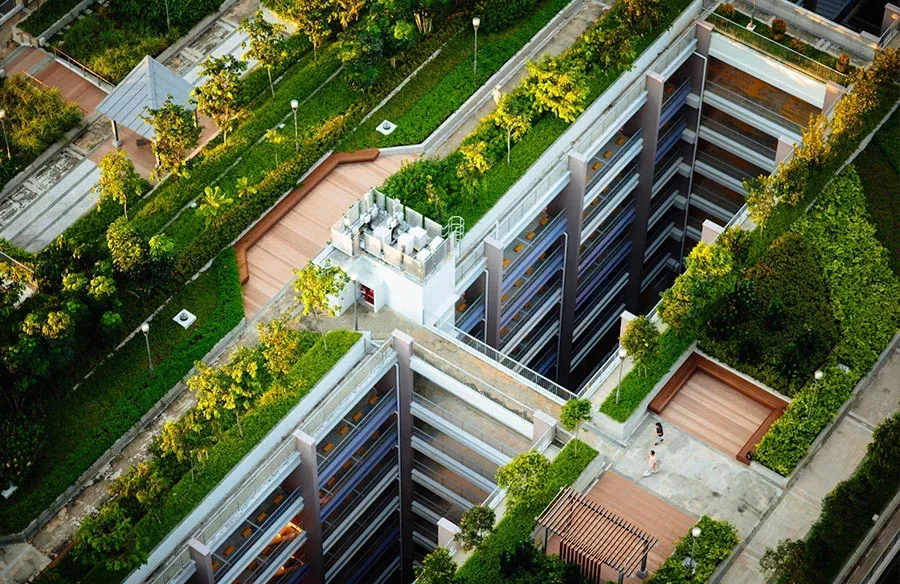
In cities like Singapore, vertical gardens and sky terraces have become common features in residential towers. These green layers not only reduce heat but also provide habitats for birds and insects. Buildings are becoming part of the natural cycle instead of standing apart from it.
This regenerative approach is deeply tied to climate resilience. Instead of designing structures that simply withstand weather extremes, architects are integrating rainwater harvesting systems, green roofs, and permeable surfaces that manage flooding and urban heat.
The result is a new architectural philosophy where sustainability is embedded at the conceptual stage, not added as an afterthought.
Energy-Positive Buildings Are Becoming the Standard
For years, the benchmark was net-zero energy buildings. Now, another wave of sustainable architecture trends is pushing beyond that goal toward energy-positive buildings.
An energy-positive building generates more power than it consumes. Through integrated solar facades, geothermal systems, and advanced energy storage, these buildings supply excess energy back to the grid.
Cities like Copenhagen have embraced ambitious carbon-neutral targets, encouraging developers to incorporate renewable systems from day one. In some neighborhoods, entire blocks operate on shared clean energy infrastructure.
This shift demonstrates how sustainable architecture trends are not isolated features but systemic transformations. Energy performance is becoming a core measure of architectural excellence.
Biophilic Design Enhancing Human Well-Being
Another influential direction in sustainable architecture trends focuses on human experience. Biophilic design integrates natural light, greenery, water elements, and organic materials to foster mental and physical health.
In commercial spaces, this approach has been shown to improve productivity and reduce stress. Employees working in buildings with natural ventilation and indoor plants report higher satisfaction and fewer sick days.
In residential projects, large windows, cross-ventilation, and natural materials like bamboo or reclaimed wood are replacing synthetic finishes. Architects are recognizing that sustainability isn’t just about carbon metrics; it’s also about how people feel inside the spaces they inhabit.
This integration of nature into design strengthens the emotional connection between occupants and their environment, encouraging more conscious living.
Smart Technology Driving Sustainable Efficiency
Technology is playing a crucial role in accelerating sustainable architecture trends. Smart sensors and AI-powered systems optimize lighting, heating, and cooling in real time.
Buildings now “learn” usage patterns and adjust energy consumption accordingly. For instance, occupancy sensors reduce power in unoccupied rooms, while predictive maintenance systems prevent resource waste by identifying inefficiencies early.
In rapidly growing urban centers like Dubai, smart building technologies are central to ambitious sustainability goals. Intelligent systems monitor everything from air quality to water usage, ensuring optimal performance without excessive consumption.
By combining digital intelligence with ecological design, architects are achieving a balance between innovation and environmental responsibility.
Low-Carbon Materials Redefining Construction
Material innovation stands at the heart of sustainable architecture trends. Traditional concrete production is responsible for significant carbon emissions, prompting architects to seek alternatives.
Cross-laminated timber is gaining popularity as a renewable structural material. It stores carbon and offers impressive strength-to-weight ratios. Recycled steel, hempcrete, and low-carbon concrete mixes are also transforming how buildings are constructed.
In projects across Vancouver, timber high-rises have demonstrated that sustainable materials can meet rigorous safety and performance standards.
The move toward locally sourced and recycled materials reduces transportation emissions and supports regional economies. Sustainability is becoming both an environmental and economic strategy.
Adaptive Reuse and Circular Design
Rather than demolishing outdated structures, architects are increasingly embracing adaptive reuse. This is one of the most practical sustainable architecture trends, as it significantly reduces construction waste and embodied carbon.
Old warehouses are being converted into co-working spaces. Abandoned factories are reimagined as cultural centers. Historic buildings are restored and retrofitted with modern efficiency systems.
Circular design principles further enhance this approach. Materials are selected based on their future reuse potential, ensuring that buildings can be disassembled and repurposed instead of ending up in landfills.
This mindset extends the lifecycle of structures and conserves valuable resources.
Climate-Responsive Architecture
Climate-responsive design is becoming essential in regions facing extreme weather patterns. Sustainable architecture trends increasingly prioritize resilience alongside efficiency.
In hotter climates, buildings are oriented to minimize solar gain while maximizing ventilation. In flood-prone areas, elevated foundations and water-resistant materials are becoming standard.
Architects are studying traditional building techniques, such as thick adobe walls or shaded courtyards, and adapting them to modern contexts. By blending historical wisdom with contemporary engineering, sustainable solutions emerge that are both effective and culturally relevant.
Urban Planning and Community-Centered Design
Sustainable architecture trends extend beyond individual buildings to entire neighborhoods. Transit-oriented developments encourage walking, cycling, and public transportation use.
Mixed-use communities reduce commute times and create vibrant social hubs. Access to green spaces, schools, and local markets within walking distance fosters healthier lifestyles and reduces emissions.
Cities like Amsterdam have prioritized cycling infrastructure and compact urban design, setting global benchmarks for sustainable living.
This holistic approach recognizes that architecture shapes daily behavior. Designing communities thoughtfully can significantly lower collective environmental impact.
Water Conservation and Resource Efficiency
Water scarcity is a growing concern worldwide. Architects are responding by integrating greywater recycling systems, low-flow fixtures, and rainwater harvesting into building design.
In drought-prone regions, landscaping with native plants reduces irrigation demands. Rooftop gardens not only insulate buildings but also absorb rainwater and support biodiversity.
Resource efficiency goes beyond water. Waste reduction during construction, energy-efficient appliances, and durable materials ensure long-term sustainability.
These measures demonstrate how sustainable architecture trends address multiple environmental challenges simultaneously.
Certification and Accountability in Modern Projects
As sustainability gains momentum, third-party certifications provide measurable benchmarks. Programs like Leadership in Energy and Environmental Design offer frameworks for evaluating environmental performance.
Certification ensures transparency and credibility. Developers can demonstrate compliance with energy standards, water conservation targets, and material sourcing requirements.
For investors and buyers, these certifications signal long-term value and reduced operational costs. They also reinforce trust, aligning with EEAT principles by emphasizing expertise and verifiable results.
Accountability strengthens the entire industry’s commitment to genuine environmental progress.
The Economic Case for Sustainable Architecture
Beyond environmental benefits, sustainable architecture trends make strong financial sense. Energy-efficient buildings reduce operational expenses significantly over time.
Property values for green-certified buildings often outperform traditional developments. Tenants are willing to pay premiums for healthier, more efficient spaces.
Government incentives and green financing options further encourage sustainable investments. As regulations tighten around carbon emissions, early adopters gain competitive advantages.
This economic viability ensures that sustainability is not just an ethical choice but a practical one.
Education and Collaboration Shaping the Future
Universities and research institutions are playing a crucial role in advancing sustainable architecture trends. Architecture programs now emphasize environmental design, life-cycle analysis, and climate resilience.
Collaboration between engineers, urban planners, and environmental scientists has become essential. Complex sustainability challenges require interdisciplinary solutions.
Professional bodies and global conferences foster knowledge sharing, accelerating innovation worldwide. Architects are no longer working in isolation; they are part of a global movement toward ecological responsibility.
How Sustainable Architecture Trends Influence Everyday Life
The impact of sustainable architecture trends is deeply personal. Imagine waking up in a home filled with natural light, breathing clean air filtered by plants, and knowing your energy comes from renewable sources.
Picture walking through a neighborhood where trees line the streets, bike lanes replace traffic congestion, and community gardens flourish.
These experiences reflect how thoughtful design improves quality of life. Sustainability becomes tangible when it enhances comfort, health, and connection.
As urban populations grow, the importance of responsible design will only intensify. Buildings account for a significant portion of global emissions, making architectural transformation one of the most powerful climate solutions available.
The Role of Policy and Global Commitments
International agreements and national policies are reinforcing sustainable architecture trends. Governments are implementing stricter building codes and incentivizing renewable integration.
Carbon reporting requirements are pushing developers to measure and reduce emissions throughout a building’s lifecycle.
Cities committing to net-zero goals are driving innovation at unprecedented scales. Public-private partnerships enable large infrastructure projects that prioritize sustainability from planning to execution.
Policy frameworks ensure that environmental progress is not optional but integral to future development.
Innovation on the Horizon
Emerging technologies promise to elevate sustainable architecture trends even further. 3D-printed buildings reduce material waste and construction time. Modular construction enhances efficiency and adaptability.
Carbon capture materials that absorb CO₂ during curing processes are being tested in experimental projects. Artificial intelligence continues refining energy optimization systems.
As research evolves, these innovations will likely become mainstream, pushing sustainable design boundaries even further.
Sustainable architecture has moved from aspiration to necessity. Through material innovation, smart technology, community planning, and regenerative design, architects are redefining how the built environment interacts with nature.
The future of construction lies not in expansion alone, but in thoughtful integration with ecological systems. As awareness grows and technology advances, the transformation of our cities and homes will continue accelerating in powerful, inspiring ways.
Read also: