

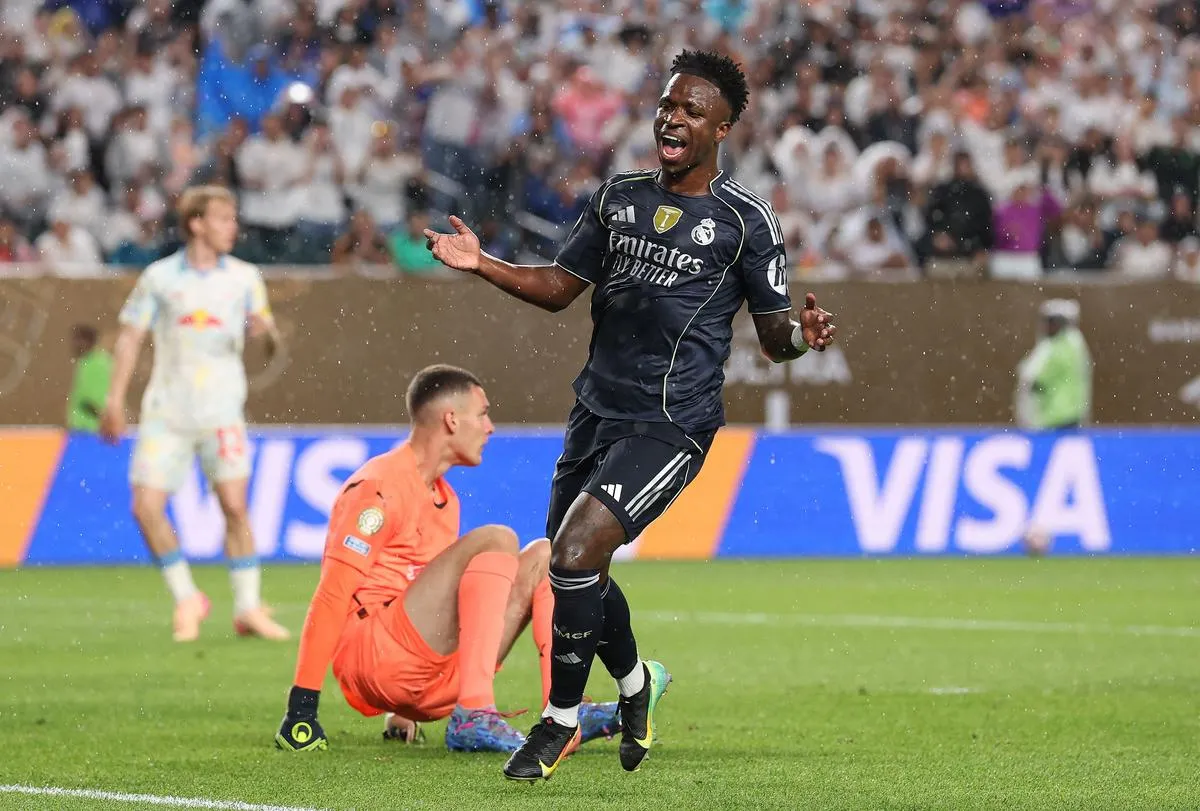
FIFA Club World Cup is where continental champions collide to prove who truly rules global club football. It is more than just another tournament on the calendar. It represents prestige, pride, and the rare chance for clubs from different continents to face each other in meaningful competition.
Organized by FIFA, the tournament brings together the winners of major continental championships. Unlike domestic leagues or regional tournaments, this event creates matchups that fans rarely see.
For supporters, it feels like watching different football cultures clash. For players, it is an opportunity to add a unique international trophy to their club careers.
Table of Contents
ToggleThe Origins of the FIFA Club World Cup
The idea of crowning a true world club champion has existed for decades. Before the official tournament began, European and South American champions competed in the Intercontinental Cup.
In 2000, FIFA officially launched the FIFA Club World Cup to include champions from all continents. This move expanded global representation and gave clubs from Asia, Africa, North America, and Oceania a shot at international glory.
Although early editions faced scheduling and format challenges, the tournament gradually gained importance. European champions often dominated, but underdog stories kept fans engaged.
Today, the competition is evolving into a larger and more ambitious format designed to increase competitiveness and global appeal.
How the FIFA Club World Cup Format Works
The traditional format featured seven teams: the champions of six continental confederations and the host nation’s league champion. These teams competed in knockout rounds leading to the final.
Continental champions from tournaments like the UEFA Champions League and Copa Libertadores usually entered at later stages due to higher rankings.
However, the upcoming expanded edition of the FIFA Club World Cup introduces a larger structure with more participating clubs. This new format mirrors elements of the global World Cup, creating group stages and deeper knockout rounds.
The expansion aims to make the tournament more commercially viable while giving more clubs a realistic chance to compete.
Why the FIFA Club World Cup Matters to Clubs
For elite European clubs, winning domestic leagues and continental trophies is already prestigious. Yet the FIFA Club World Cup offers something different: global validation.
Clubs like Real Madrid and FC Barcelona have proudly lifted the trophy, reinforcing their status as global giants.
For clubs outside Europe, the tournament carries even deeper meaning. It provides a platform to challenge Europe’s dominance and showcase regional talent on a worldwide stage.
When a club from Africa or Asia competes strongly against European champions, it sends a powerful message about the growth of global football.
Memorable Moments in FIFA Club World Cup History
Every edition has produced dramatic moments.
In 2012, Corinthians stunned Chelsea FC in the final. That victory proved South American clubs could still challenge Europe’s elite.
In other years, dominant performances by Bayern Munich and Liverpool FC showcased tactical discipline and squad depth.
For fans, these matches are special because they break routine. Watching clubs from different continents play each other creates excitement that domestic competitions cannot replicate.
The Expanded Era of the FIFA Club World Cup
The revamped FIFA Club World Cup is set to feature significantly more teams, transforming it into a month-long football festival.
This expansion reflects football’s globalization. Television audiences in Asia, Africa, and North America have grown dramatically, and commercial interest has followed.
Critics argue about fixture congestion and player fatigue. Supporters counter that the expanded format increases fairness and representation.
What is undeniable is that the tournament is entering a transformative phase.
Economic and Commercial Impact
Beyond sporting prestige, the FIFA Club World Cup generates substantial financial opportunities.
Broadcast rights, sponsorship deals, and global marketing campaigns elevate club brands. For smaller clubs, participation alone can mean a significant financial boost.
Cities hosting matches benefit from tourism and international exposure. Stadiums fill with traveling fans eager to witness global competition.
This economic dimension makes the tournament strategically important for football’s governing bodies.
Player Perspectives on the FIFA Club World Cup
For players, the tournament offers a rare career milestone.
Winning domestic titles is important, but lifting a global trophy provides a unique sense of accomplishment. Many footballers describe the FIFA Club World Cup as the final piece in completing a perfect season.
South American players, in particular, view matches against European clubs as high-stakes opportunities to prove their league’s strength.
Young players also benefit from exposure to diverse playing styles, which broadens their tactical understanding.
Tactical Clashes and Playing Styles
One of the most fascinating aspects of the FIFA Club World Cup is tactical diversity.
European clubs often emphasize structured pressing and positional discipline. South American teams may focus on flair and individual creativity. Asian clubs frequently display high-speed transitions and technical discipline.
These contrasting styles create unpredictable matchups. Fans witness strategies rarely seen in domestic competitions.
Coaches treat the tournament as a tactical chessboard, adjusting formations to counter unfamiliar opponents.
Global Fan Engagement
Football is a universal language, and the FIFA Club World Cup amplifies that truth.
Fans from Tokyo to Buenos Aires tune in to watch champions battle for supremacy. Social media engagement surges during the tournament, reflecting worldwide interest.
Supporters proudly represent their regions. When an underdog advances deep into the tournament, it feels like a continental victory.
This global unity strengthens football’s cultural significance.
Challenges and Criticism
Despite its appeal, the FIFA Club World Cup has faced criticism.
European managers often express concern about packed schedules. Travel demands and long seasons raise player welfare questions.
Some critics argue that European dominance reduces unpredictability. However, upsets and competitive finals continue to keep the tournament relevant.
Balancing commercial growth with sporting integrity remains a key challenge for FIFA.
Comparing the FIFA Club World Cup to International Tournaments
While national teams compete in global events, the FIFA Club World Cup focuses on club identity.
International tournaments bring patriotic emotion. Club competitions highlight organizational strength, youth academies, and transfer strategies.
Both formats offer unique excitement, but club tournaments showcase long-term team-building success.
This distinction makes the tournament valuable within football’s broader ecosystem.
The Future of the FIFA Club World Cup
The expanded format signals ambitious plans.
With more teams, deeper group stages, and increased global reach, the FIFA Club World Cup aims to rival the popularity of other elite tournaments.
Infrastructure improvements, digital broadcasting innovations, and youth engagement strategies are expected to enhance its appeal.
Football’s global audience continues to grow, and this tournament is positioned to capture that momentum.
Why Fans Continue to Care
Ultimately, the tournament endures because fans crave global competition.
Seeing champions from different continents share one pitch creates drama that domestic leagues cannot replicate.
The FIFA Club World Cup blends prestige, unpredictability, and worldwide representation into a single event.
For players, coaches, and supporters alike, it remains one of the most exciting showcases in professional football.
Read also:-
jamshedpur fc vs northeast united fc lineups
villarreal cf vs fc barcelona lineups
real madrid vs girona fc lineups
girona fc vs real madrid lineups