

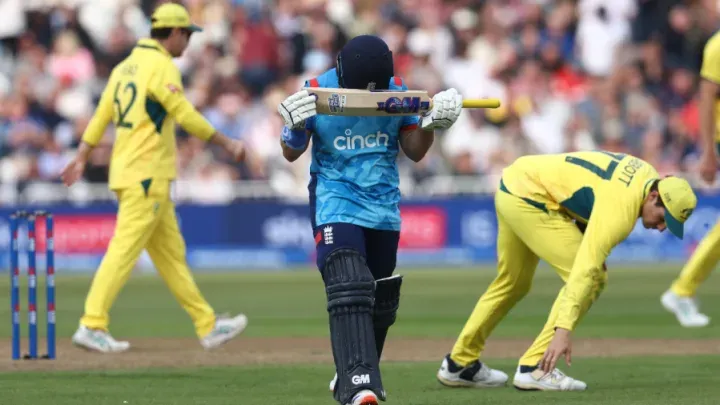
Batting tempo control is the invisible skill that separates good batters from great ones. It is not just about hitting boundaries or rotating strike—it is about managing the rhythm of an innings, knowing when to accelerate, when to stabilize, and when to absorb pressure. In modern cricket, where formats demand adaptability, controlling tempo has become a defining trait of elite batters across all levels.
In this in-depth guide, we will explore what batting tempo control means, why it matters, how top players use it, and how you can develop this skill in your own game using proven techniques and mindset strategies.
Understanding the Concept of Batting Tempo Control
Cricket is a game of timing, not just in terms of striking the ball, but also in pacing the innings. Batting tempo control refers to a batter’s ability to regulate scoring speed while maintaining technical stability and mental clarity.
Imagine an innings as a piece of music. There are slow passages, crescendos, and explosive finales. A batter who understands tempo knows how to play each section with purpose. When conditions are tough, they slow down and survive. When bowlers tire, they shift gears and dominate.
Tempo control is not passive batting. It is proactive decision-making that keeps the scoreboard moving without unnecessary risk.
Why Batting Tempo Control Is a Game-Changer
In modern cricket, raw power is celebrated, but consistency wins matches. Players who control tempo consistently perform across formats, pitches, and pressure situations.
One of the biggest advantages of tempo control is adaptability. A batter can shift from anchor to aggressor depending on match context. This flexibility makes them indispensable in team strategies.
Another advantage is mental dominance. Bowlers thrive on batters who panic or play predictably. When a batter controls tempo, they disrupt bowling plans and force bowlers to rethink strategies.
The Psychology Behind Batting Tempo Control
Cricket is as much a mental game as a physical one. Tempo control starts in the mind. Batters must resist emotional impulses, especially after boundaries or near-dismissals.
For example, after hitting a six, many batters feel tempted to repeat the shot. Elite players pause, assess the field, and choose the next delivery wisely. This emotional regulation is the core of tempo control.
Players like Virat Kohli and Joe Root often talk about “staying in the moment.” That mindset allows them to adjust tempo naturally rather than chasing milestones or reacting impulsively.
Batting Tempo Control Across Formats
Test Cricket Tempo
In Tests, tempo control is about patience and endurance. Batters may score slowly for hours to wear down bowlers. The goal is not to entertain but to survive and build a foundation.
Players like Cheteshwar Pujara exemplify this approach. They absorb pressure, rotate strike minimally, and frustrate bowlers into errors.
ODI Tempo
In ODIs, tempo changes multiple times during an innings. Batters must start cautiously, accelerate in the middle overs, and finish aggressively. The ability to shift tempo seamlessly is crucial.
A classic example is MS Dhoni, who built innings quietly before launching devastating finishes.
T20 Tempo
In T20 cricket, tempo control is about calculated aggression. Batters cannot afford long periods of inactivity, but reckless hitting is equally dangerous. Smart batters pick bowlers, overs, and field placements to maximize scoring.
Technical Foundations of Batting Tempo Control
Technique plays a massive role in tempo management. Without solid fundamentals, a batter cannot control scoring pace reliably.
Footwork is the first pillar. Balanced foot movement allows batters to defend, rotate strike, or attack with the same setup. Poor footwork forces rushed decisions.
Shot selection is another key factor. Batters with a wide range of shots can manipulate the field without forcing boundaries. This versatility is essential for maintaining tempo.
Finally, balance and posture ensure consistency. A stable stance allows batters to wait for the ball and choose the tempo rather than reacting late.
Batting Tempo Control in Pressure Situations
Pressure reveals true tempo control. When wickets fall or run rate spikes, many batters panic. Elite players slow down mentally while speeding up physically.
In the 2011 World Cup final, Gautam Gambhir and MS Dhoni controlled tempo under immense pressure. They rotated strike, punished loose balls, and avoided reckless shots. Their calm approach guided India to victory.
This demonstrates that tempo control is not about scoring fast or slow—it is about scoring smart.
How Top Players Master Batting Tempo Control
Virat Kohli’s Tempo Awareness
Virat Kohli is a master of pacing an innings. He often starts cautiously, studies bowlers, and accelerates once settled. His ability to chase targets with precision comes from controlling tempo rather than chasing boundaries.
Kane Williamson’s Subtle Rhythm
Kane Williamson is known for understated tempo control. He rotates strike effortlessly, picks gaps, and rarely looks rushed. His calm demeanor keeps innings stable even in high-pressure matches.
Jos Buttler’s Controlled Aggression
Buttler is an example of aggressive tempo control. He can explode when needed but also stabilize when wickets fall. His adaptability makes him one of the most valuable batters in limited-overs cricket.
Training Methods to Improve Batting Tempo Control
Practice is essential to mastering tempo. Batters must simulate match scenarios to develop this skill.
Net sessions should include specific tempo drills. For example, playing 20 balls without boundaries to focus on strike rotation, then switching to boundary-hitting mode.
Mental training is equally important. Visualization techniques help batters rehearse tempo changes in different match situations.
Match awareness drills, such as analyzing run rate scenarios, also build tempo intelligence.
The Role of Batting Tempo Control in Team Strategy
Modern teams design batting orders based on tempo skills. Anchors, accumulators, and finishers each play a role in controlling innings rhythm.
A team with balanced tempo control can adapt to any situation. If early wickets fall, anchors stabilize. If a platform is built, finishers accelerate.
Coaches now use analytics to measure tempo metrics such as strike rate phases, boundary frequency, and dot-ball percentages.
Batting Tempo Control and Data Analytics
Analytics has transformed tempo management. Batters analyze scoring patterns, bowler weaknesses, and field placements to optimize tempo.
For example, data may reveal that a batter scores best against spinners in the middle overs. They can plan tempo shifts accordingly.
Teams also track “intent metrics,” which measure scoring speed relative to match context. This helps players refine their tempo strategies.
Common Mistakes in Batting Tempo Control
Many batters misunderstand tempo control and either play too slow or too aggressive.
One common mistake is chasing the required run rate without assessing risk. Another is playing dot-ball-heavy innings that increase pressure on teammates.
Poor communication between partners also disrupts tempo. Running between wickets and strike rotation require teamwork.
Understanding these mistakes is the first step to avoiding them.
Batting Tempo Control at the Grassroots Level
Tempo control is not only for professionals. Young players and amateurs can benefit significantly from learning this skill early.
At junior levels, coaches should emphasize situational awareness rather than just scoring runs. Teaching players when to defend and when to attack builds cricketing intelligence.
School and club players who master tempo often outperform more technically gifted peers because they make smarter decisions.
Batting Tempo Control and Fitness
Physical fitness influences tempo control. Fatigue affects decision-making, footwork, and shot execution.
Fit batters can maintain high tempo without technical breakdown. Conditioning, agility drills, and endurance training are essential for sustaining tempo across long innings.
Nutrition and recovery also play a role. A well-prepared body supports a well-controlled tempo.
Cultural Shift Toward Batting Tempo Control
Cricket culture has shifted toward aggressive batting, but smart tempo control remains the backbone of success.
Franchises in leagues like the IPL and Big Bash value players who can adjust tempo based on match situations. This adaptability often determines selection and contract value.
Young players idolize power hitters, but coaches emphasize tempo control as the foundation of sustainable success.
Real-Life Story: Tempo Control Changing a Career
Consider the story of a domestic cricketer who struggled with consistency. He scored quick runs but often got out early. After working with a coach on tempo control, he learned to build innings, rotate strike, and choose moments to attack.
Within a season, his average doubled, and he earned a state selection. His transformation highlights how Batting tempo control can redefine a career.
Batting Tempo Control in Modern Coaching
Coaches now integrate tempo training into batting programs. Video analysis, ball-tracking technology, and scenario-based drills help players understand tempo dynamics.
Mentorship from former players also plays a role. Experienced batters share insights on pacing innings and reading game situations.
Modern coaching blends tradition with technology to refine tempo skills.
Future Trends in Batting Tempo Control
As cricket evolves, tempo control will become even more data-driven. Wearable tech may track heart rate and reaction times to measure mental tempo.
AI-driven analytics could provide real-time tempo suggestions during matches. Virtual reality training may simulate pressure scenarios to train tempo control.
The future of batting will be defined by how well players manage rhythm in an increasingly fast-paced game.
Integrating Batting Tempo Control Into Your Game
To master tempo, batters must combine technique, mindset, fitness, and strategy. Regular practice, match awareness, and self-analysis are essential.
Players should review innings footage, identify tempo shifts, and understand what worked and what didn’t. Journaling match experiences can also help refine tempo instincts.
With consistent effort, Batting tempo control becomes intuitive rather than forced.
The Influence of Batting Tempo Control on Cricket Fans and Media
Fans often celebrate big hits, but analysts and commentators increasingly discuss tempo. Terms like “innings pacing” and “gear shifts” are now mainstream.
Media coverage highlights players who build innings intelligently, reinforcing the importance of tempo control in modern cricket narratives.
This awareness influences how young players perceive success and approach batting.
Batting Tempo Control as a Leadership Skill
Captains and senior players often set the tempo for the team. A well-paced innings can calm a dressing room and inspire confidence.
Leaders who demonstrate tempo control influence team culture. They show that intelligence and patience are as valuable as aggression.
This leadership aspect makes Batting tempo control a strategic asset beyond individual performance.
The Business Value of Batting Tempo Control
In professional leagues, players with tempo adaptability command higher value. Teams invest in players who can anchor or accelerate based on match demands.
Sponsorships and endorsements often follow consistent performers, and tempo control contributes significantly to consistency.
Thus, mastering tempo can have financial and career implications for professional cricketers.
Batting Tempo Control in Women’s Cricket
Women’s cricket has also embraced tempo-based strategies. Players like Meg Lanning and Smriti Mandhana are known for pacing innings intelligently.
Their ability to control tempo has led to record-breaking performances and inspired a new generation of batters.
Tempo control is universal and essential across genders and formats.
Batting Tempo Control and Match Situational Awareness
Situational awareness is the backbone of tempo control. Batters must consider pitch conditions, bowler types, field placements, and match context.
For instance, on a slow pitch, tempo might involve strike rotation rather than boundaries. On a flat pitch, tempo might involve controlled aggression.
Understanding these variables allows batters to fine-tune tempo dynamically.
Developing a Personal Batting Tempo Blueprint
Every batter should develop a personal tempo strategy. This blueprint includes scoring zones, preferred shots, risk tolerance, and mental cues.
Some batters thrive on steady accumulation, while others excel in bursts. Knowing your style helps you control tempo effectively.
Coaches can help players customize tempo plans based on strengths and weaknesses.
Batting Tempo Control and Partnership Building
Batting partnerships thrive on tempo harmony. Partners must communicate and align scoring plans.
Running between wickets, calling clearly, and supporting each other’s tempo decisions are crucial. Miscommunication can disrupt tempo and lead to run-outs.
Strong partnerships often feature complementary tempo styles, creating balanced innings.
Batting Tempo Control as a Lifelong Learning Process
Tempo control evolves with experience. Young players learn through trial and error, while veterans rely on instincts honed over years.
Continuous learning, feedback, and adaptation keep tempo skills sharp. Even elite players refine tempo throughout their careers.
Ultimately, Batting tempo control is not a static skill but a dynamic journey that grows with every innings.
Read also:-
south africa national cricket team vs india national cricket team stats
sunrisers hyderabad vs delhi capitals match scorecard
afghanistan national cricket team vs australian men’s cricket team standings
india national cricket team vs england cricket team players