

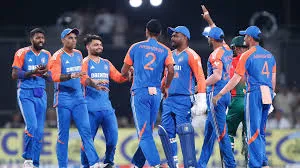
Indian cricket team represents far more than runs, wickets, and scorecards. It is an emotion shared by millions, a cultural force that unites a diverse country, and a sporting institution that has grown into one of the most respected teams in world cricket. From dusty maidans to packed international stadiums, the journey of this team mirrors India’s own evolution on the global stage.
Cricket in India is not just watched, it is lived. Streets fall silent during high-pressure matches, families gather around television screens, and strangers celebrate together when a boundary clears the rope. The bond between the team and its fans has been built over decades of struggle, triumph, heartbreak, and unforgettable glory.
The Early Roots of the Indian Cricket Team
The story of the Indian cricket team began during the colonial era, when cricket was introduced as a gentleman’s game played by a privileged few. India played its first Test match in 1932 at Lord’s, a moment that marked the country’s official entry into international cricket. Early years were challenging, with limited resources and experience, but they laid the foundation for resilience.
For several decades, India struggled to compete consistently against stronger teams. Victories were rare, especially overseas, yet players displayed remarkable determination. These early cricketers played not for fame or fortune, but for pride and the hope of establishing India’s identity in world cricket.
Rise of Confidence and Competitive Spirit
The 1970s and 1980s brought a shift in mindset. India began producing players who believed they belonged at the highest level. Legendary performances away from home slowly changed how opponents viewed the Indian cricket team. This era introduced fans to match-winners who could challenge established powers.
The turning point came in 1983, when India lifted the Cricket World Cup against all odds. That victory transformed Indian cricket forever. It ignited belief across the nation and inspired generations of youngsters to dream of wearing the blue jersey.
Indian Cricket Team and the Sachin Era
No discussion of Indian cricket feels complete without acknowledging the Sachin Tendulkar era. His arrival in the late 1980s gave fans a symbol of hope during difficult transitions. For over two decades, he carried the expectations of a billion people with humility and excellence.
During this period, the Indian cricket team evolved technically and mentally. Batting became its greatest strength, while bowlers gradually found ways to support overseas challenges. India’s reputation grew, and victories against top teams became more frequent.
Building a Modern Winning Culture
The 2000s marked a phase of professionalization. Fitness standards improved, domestic structures strengthened, and exposure to global leagues enhanced player skills. The leadership styles also changed, emphasizing aggression, self-belief, and accountability.
Under different captains, the Indian cricket team developed the confidence to dominate at home and compete fiercely abroad. Winning overseas Test matches became a realistic goal rather than a distant dream. The mindset shifted from survival to supremacy.
Indian Cricket Team in the Era of All-Format Excellence
One of the defining features of modern Indian cricket is its adaptability across formats. Test cricket demands patience and technique, One Day Internationals require balance, and T20 cricket rewards innovation and fearlessness. India has managed to remain competitive in all three.
The Indian cricket team has built depth in its squad, allowing seamless transitions between formats. Young players are groomed early, exposed to pressure situations, and supported by experienced mentors. This structure ensures consistency even during periods of transition.
Role of Domestic Cricket and Talent Pipeline
India’s domestic cricket system plays a crucial role in sustaining excellence. Tournaments like Ranji Trophy, Vijay Hazare Trophy, and Syed Mushtaq Ali Trophy act as testing grounds for future stars. Performance at this level is closely monitored, rewarding consistency and discipline.
The Indian cricket team benefits immensely from this vast talent pool. Players arrive at the international stage battle-hardened, having faced pressure, competition, and diverse conditions. This depth allows selectors to plan long-term without compromising performance.
Indian Cricket Team and the IPL Influence
The Indian Premier League has transformed how players approach the game. Exposure to international stars, high-pressure matches, and global audiences has accelerated learning. Young Indian players now enter the national team with confidence and tactical awareness.
For the Indian cricket team, the IPL serves as both an opportunity and a challenge. While it sharpens skills, balancing workload and fitness remains crucial. Proper management has helped India maximize benefits while minimizing burnout.
Leadership Evolution and Team Culture
Leadership within the Indian setup has evolved significantly. Captains today emphasize discipline, fitness, and mental strength. Decision-making is data-driven, yet instincts still play a role. Team culture prioritizes unity, respect, and accountability.
The Indian cricket team thrives on collective effort rather than individual brilliance alone. While star players attract attention, victories are built on contributions from every member, including bowlers, fielders, and support staff.
Indian Cricket Team on the Global Stage
India’s influence extends beyond the field. The team plays a major role in shaping global cricket economics, scheduling, and fan engagement. Wherever India plays, stadiums fill up, and viewership numbers soar.
Opponents prepare meticulously when facing the Indian cricket team, aware of the skill, intensity, and pressure involved. Victories against India are celebrated worldwide, highlighting the respect the team commands.
Challenges Faced by the Indian Cricket Team
Despite success, challenges remain. Managing expectations of a passionate fanbase is never easy. Social media scrutiny can amplify criticism, affecting player confidence. Injuries and workload management also demand constant attention.
The Indian cricket team addresses these issues through sports science, mental conditioning, and rotation policies. Learning from setbacks has become part of the team’s growth process.
Indian Cricket Team and Its Fan Connection
What truly sets Indian cricket apart is its connection with fans. Support extends beyond victories, though disappointment can be intense during losses. Fans see players as representatives of national pride, creating an emotional bond unlike any other sport.
This relationship motivates the Indian cricket team to perform with integrity and commitment. Players often acknowledge that crowd energy fuels their performances, especially during high-pressure encounters.
Future Vision of the Indian Cricket Team
Looking ahead, India aims to maintain dominance while nurturing fresh talent. Emphasis on grassroots development, women’s cricket, and emerging formats reflects a holistic vision. Innovation, fitness, and adaptability will define the next chapter.
The Indian cricket team continues to evolve, respecting its rich history while embracing modern demands. This balance ensures sustained excellence and global relevance.
Indian Cricket Team as a Symbol of Unity
Beyond trophies and rankings, the team symbolizes unity in diversity. Players from different regions, languages, and backgrounds come together with one goal. That unity resonates deeply with fans, making cricket a powerful social connector.
Through wins and losses, the Indian cricket team remains a source of inspiration, reminding millions that belief, discipline, and teamwork can overcome any challenge.
read more :-
australian men’s cricket team vs india national cricket team match scorecard
australian men’s cricket team vs south africa national cricket team timeline
bangladesh national cricket team vs west indies cricket team match scorecard
desert vipers vs sharjah warriors match scorecard